
Items that, due to their unique and specific characteristics, do not belong to a specifically defined category. Therefore, this category is where you will find interesting and unusual objects.


ANTIQUE SALT AND PEPPER SHAKERS
Antique salt and pepper shakers from the early 20th century.
Two large glass containers for salt and pepper. Due to their size, they will be an excellent addition to any kitchen. Their appearance also makes them a beautiful centerpiece for the dining table. Dimensions: 13 x 9 cm Weight: 200 g The salt and pepper shakers are in excellent condition. Price is for one.
VINTAGE DECOY DUCK
Vintage decoy duck from the second half of the last century.
A decoy duck was used in duck hunting as a lure. Due to its realism, it can be an interesting decoration. Dimensions: 38 x 13 cm Weight: 450 g The duck is preserved, with signs of wear visible on the beak and tail.


ANTIQUE COSTREL
Costrel, made in the 19th century.
A costrel, or hand barrel, was used for storing liquids, primarily wine. It is made of treated oak planks, bound together with hand-forged iron hoops. The costrel is in its original condition and has a beautiful patina that reflects its age. This is, in fact, a piece of cultural history, a reminder of the traditions and ways of life of past centuries. An exceptional item for collectors and history enthusiasts. Dimensions: 27 x 20 x 15 cm Weight: 1 kg The costrel is in good condition.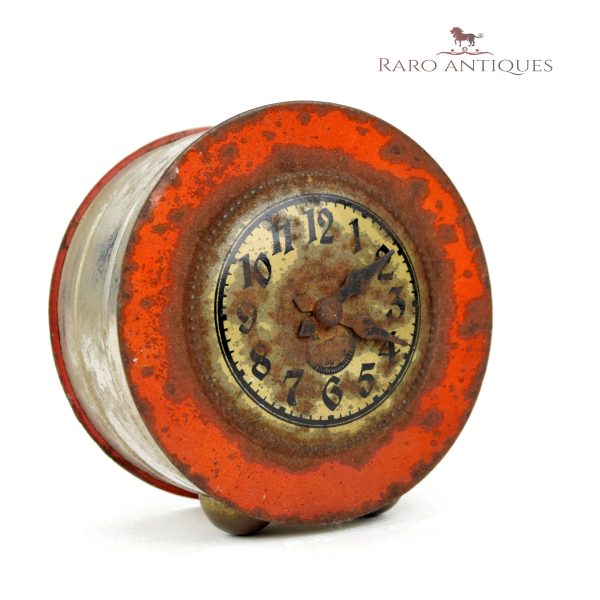

ANTIQUE PIGGY BANK
Piggy Bank, manufactured between 1891 and 1952.
Tin savings bank in the shape of a clock – alarm clock, with moving hands, will be a surprising decoration on your shelves. It also carries symbolic value, reminding us of the proverb – time is money. It still has the original key, so you can still use it for its original purpose. Dimensions: 8.5 x 4.5 cm Weight: 20 g The savings bank is well-preserved.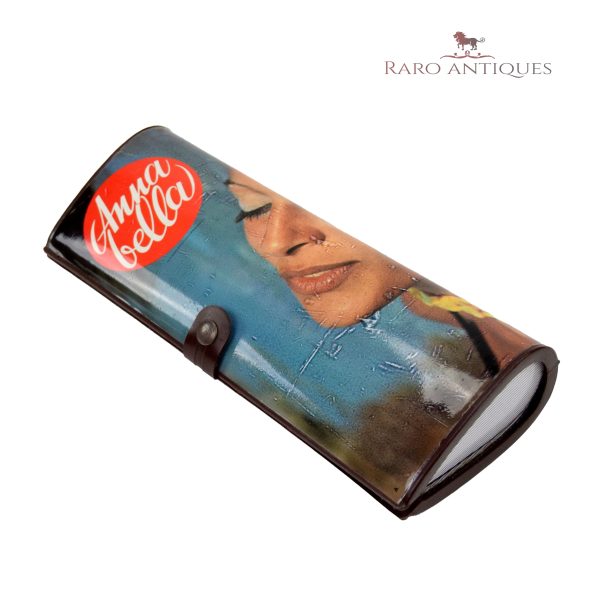
VINTAGE MAGAZINE CLUTCH
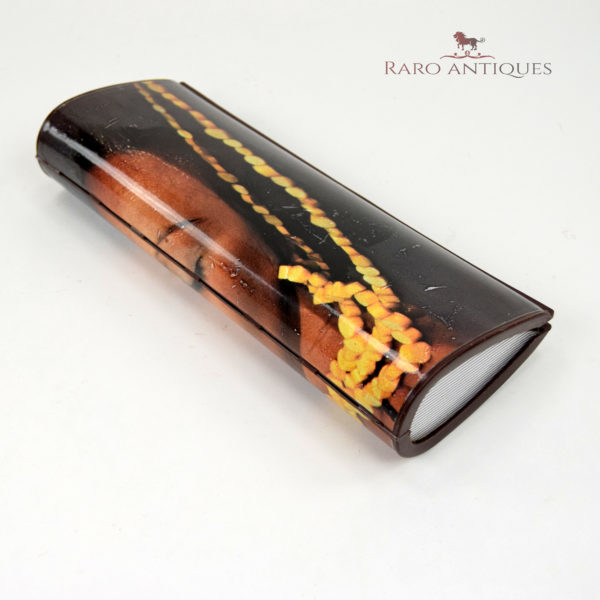
Magazine clutch from the 1970s, made in Italy by Anna Bella.
An exceptional vintage accessory for all ladies who like to stand out. Handbags resembling rolled-up magazines were a popular fashion item in the 1970s and have recently regained their place among fashion enthusiasts. Dimensions: 30 x 12 x 6 cm Weight: 200 g The clutch is in excellent condition.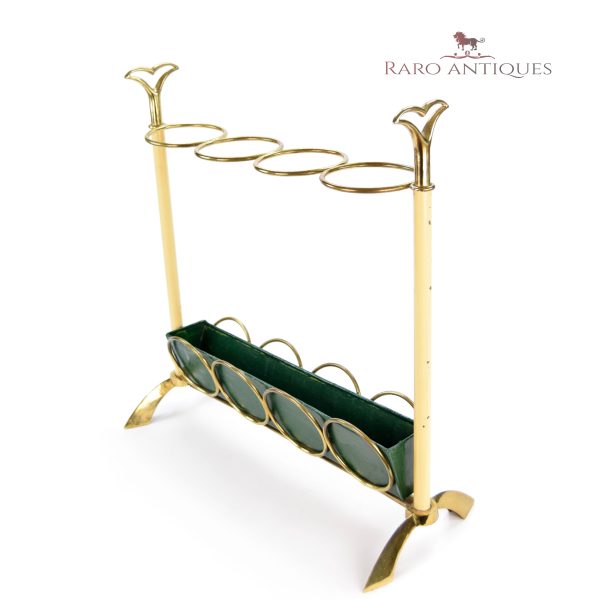
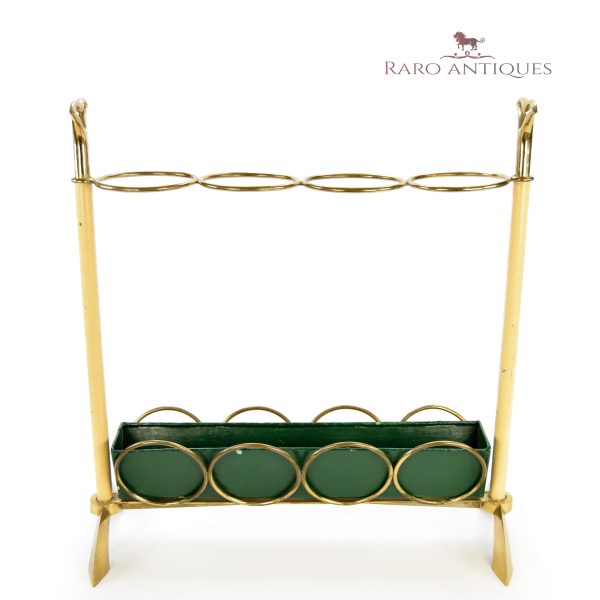
VINTAGE UMBRELLA STAND
Umbrella stand, made in the 1950s, Italy.
This umbrella stand reflects the timeless aesthetics of mid-century design. Combining functionality and decorative appeal, it is the perfect addition to any hallway or entryway. Use it to store both dry and wet umbrellas. In case water collects inside, it can be easily drained thanks to the removable inner tray. Dimensions: 50 x 48.5 x 20.5 cm Weight: 2.4 kg The umbrella stand is in excellent condition.

VINTAGE RINGS
Vintage rings made of lucite from the 1960s.
Lucite jewelry began to be produced in the 1940s. Lucite is a high-quality version of acrylic resin, developed by DuPont in 1937. It is valued primarily for its strength, crystal transparency, flexibility, and resistance to UV rays, wind, and water. Therefore, this version of acrylic resin is used mainly in the manufacture of windows, furniture, and of course, in fashion creations. Lucite is naturally crystal clear, but by adding pigments, we obtain colorful versions like the rings presented. Lucite is also known for its durability and adaptability, as well as its scratch resistance, ensuring that you can wear the rings for years and perhaps pass them on to future generations. Rings are always a fun fashion accessory, especially in such exceptional colors that will truly enhance your overall look. Dimensions: approx. 1.5 cm Weight: 4.4 g The rings are in excellent condition. Price is for one.

SPICE BOX
Spice box from early 19th century, from India.
An intriguing spice box made from a single piece of wood, featuring a side-opening lid secured with a hand-forged latch. Such boxes (masaladabbis) are artistic objects passed down through generations within families. A beautiful piece that can still be used for its original purpose or to store other small items. Its excellent craftsmanship and unique appearance also make it an outstanding decorative piece. Dimensions: 34 x 15.5 x 10 cm Weight: 1.3 kg The box is excellently preserved.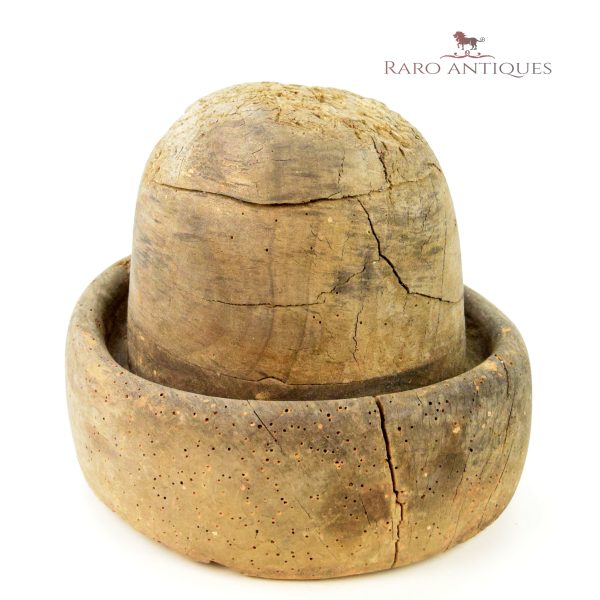

ANTIQUE HAT BLOCK
Hat block, from the early 20th century.
This wooden hat block is a charming decorative piece for anyone interested in vintage fashion. It's perfect for collectors and hat enthusiasts who want to showcase their hats in an original way. Dimensions: 25 x 22 x 20 cm Weight: 2 kg The hat block is in fair condition.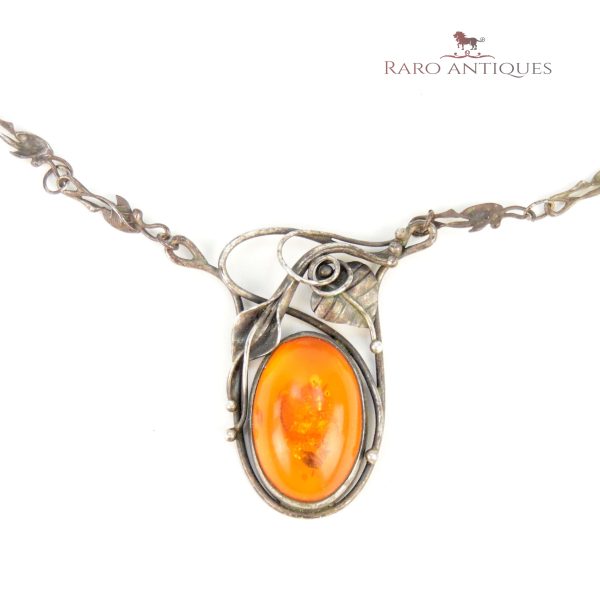
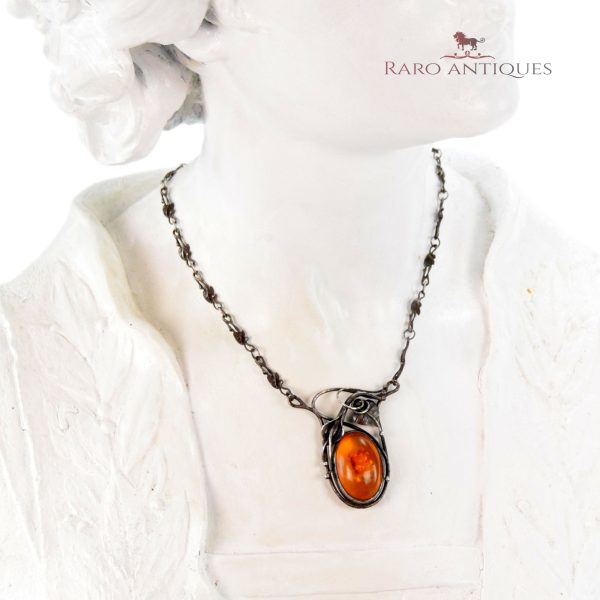
ART NOUVEAU NECKLACE
Art Nouveau necklace, made in the early 1900s.
This beautiful silver necklace with an amber pendant is an exceptional example of the Art Nouveau style, reflecting the characteristic motifs of the style that celebrate nature and elegance. The amber pendant is set in a silver frame featuring tendrils and leaves, a motif that continues into the silver chain, where the links resemble small leaves, showcasing the craftsmanship. This timeless piece captures the romantic and artistic spirit of the late 19th and early 20th centuries, and its recognizable style remains a fashionable jewelry piece that you will happily wear. Dimensions: 5.4 x 4.7 x 1 cm Weight: 24.6 g The necklace is in excellent condition. It is hallmarked both on the chain and the pendant.

ANTIQUE ICE BUCKET
Ice bucket, from the 1913.
An exceptional ice bucket, commemorating the 30th anniversary of the Milanese gymnastics club Pro Patria, as engraved on the bucket itself. The ice bucket displays all the marks of top-tier craftsmanship. Its most beautiful details are undoubtedly the intricately crafted elephants, along with the festive garland encircling the bucket, further emphasizing its luxurious design. This exquisite piece serves both as a decorative and functional item, ideal for chilling champagne during special occasions. Its beauty ensures it will also find a prominent place on your shelf, where you can admire it daily. Dimensions: 46 x 38 x 22 cm Weight: 2.8 kg The ice bucket is in good condition.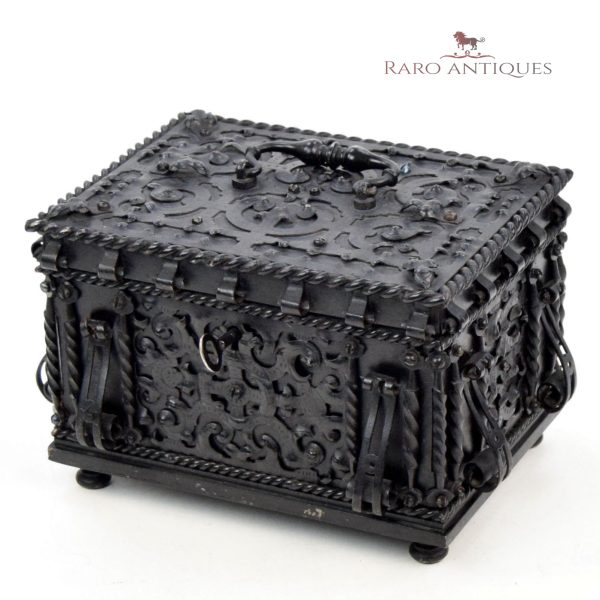
WROUGHT-IRON CASKET
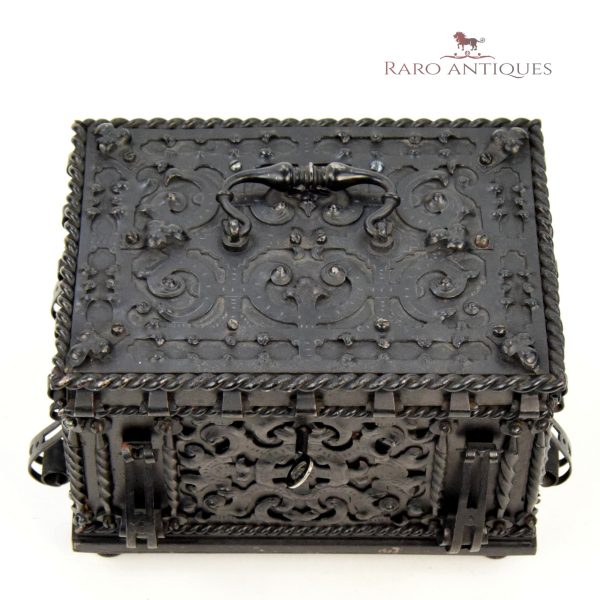
Wrought-iron casket, made in the second half of the 19th century.
An exceptional and rare, hand-forged casket in the Neo-Gothic style. It is fully preserved, with a functioning lock and key.
In the past, such a casket would have been part of a bourgeois interior, serving both as a decorative and a practical object used to store important documents, jewelry, and other valuable items. It can serve the same purpose today, as the craftsmanship with which it was made is a true feast for the eyes, and the working lock still allows it to be used for storing valuables.
Dimensions: 25 × 18,5 × 16 cm
Weight: 3,9 kg
The casket is in excellent condition.

METAL CASKET
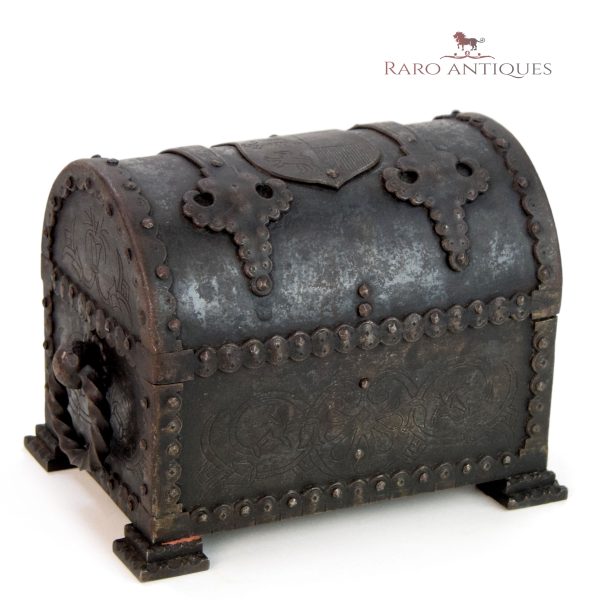
Metal casket with the Carinthian coat of arms, made in the early 20th century.
An exceptionally well-crafted piece with beautiful detailing. The Carinthian coat of arms on the lid makes it particularly interesting. On the front of the casket there is a small “button” that allows it to be opened.
Dimensions: 20 × 15,5 × 14 cm
Weight: 2,3 kg
The casket is in excellent condition.


VINTAGE LUCITE BRACELETS
Vintage lucite bracelets from the 1960s.
Lucite jewelry emerged in the 1940s. Lucite is a high-quality version of acrylic resin, developed by DuPont in 1937. It is highly valued for its strength, crystal transparency, flexibility, and resistance to UV rays, wind, and water. Therefore, this variant of acrylic resin is primarily used in the manufacturing of windows, furniture, and, of course, in fashion creations. Lucite is naturally crystal clear, but by adding pigments, colorful versions like the presented bracelets are achieved. Lucite is also known for its durability and adaptability, as well as its scratch resistance, ensuring that you can wear these bracelets for years and perhaps pass them down to future generations. You can wear the bracelets individually or create a dramatic look by stacking multiple colorful bracelets on your wrist. Dimensions: 8.5 x 7.5 cm Weight: 16 g The bracelets are excellently preserved.

VINTAGE PURSE
Vintage purse from the 1950s, made in America.
Purses made of Lucite were the most coveted fashion accessory in the mid-20th century. Lucite, a hard plastic, was developed by DuPont in 1931 but began to be used in fashion and interior design purposes only after World War II. The first Lucite purses were introduced in the late 1940s and immediately gained popularity as one of the most sought-after fashion accessories of the time. Such purses became a symbol of that era, representing the introduction of new materials and designs. The featured purse is an excellent example of why these purses were so popular. The intricately crafted cover of the purse and the pearl on the clasp give a sense of luxury while combining the robustness of Lucite with elegant design. Add this iconic purse to your fashion collection, and we are confident that you will not go unnoticed. Dimensions: 24 x 14 x 10 cm Weight: 600 g The purse is in good condition.

ANTIQUE TABLE BELL
Table bell, late 19th century.
An intriguing table bell featuring an angel and a mechanism that allows it to be rung from both sides. Most likely, it was used in establishments such as hotels or shops, allowing customers to draw attention. Table bells have a long history of use, particularly in aristocratic homes, where they were employed during elaborate meals to summon maids for additional servings or drinks. This practice was especially common in America, while in Europe, maids often stood by the table to promptly address any requests. Table bells became widespread in Europe during the 19th century, driven by demand in establishments like hotels, restaurants, and shops. Dimensions: 26 x 12 x 12 cm Weight: 0.7 kg The table bell is in good condition.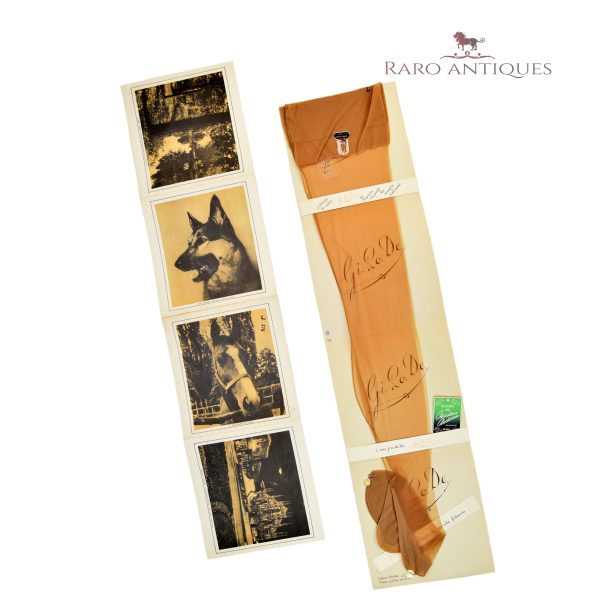
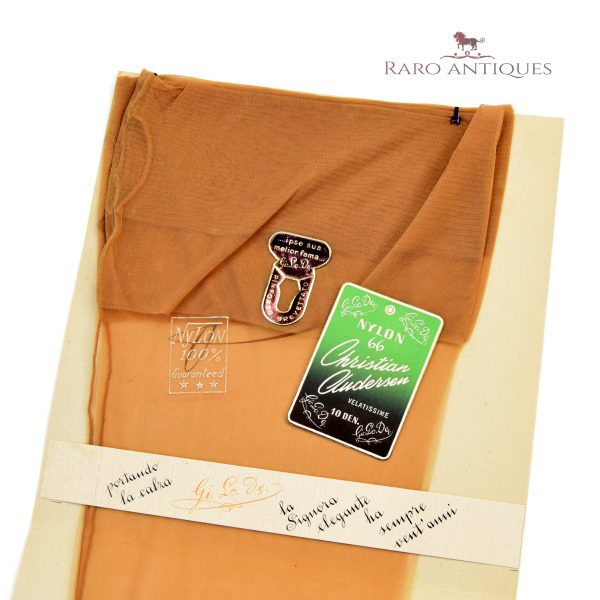
ITALIAN NYLON STOCKINGS GI. LO. DE, 1950s
Gi. Lo. De Nylon Stockings, made in Italy in the early 1950s.
A rare and exceptionally preserved factory sample set by the Italian brand Gi.Lo.De, dating to around 1950–1951.
The set includes a pair of never-worn, ultra-sheer nylon stockings with a back seam, attached to the original presentation card featuring four sepia-toned photographs (Duomo, horse, dog, and landscape), along with factory labels and pins.
This is a typical post-war display sample, where luxury nylon stockings were presented with artistic packaging — a reflection of their status as a luxury item at the time.
The green “Nylon 66” card also confirms the use of the first generation of DuPont nylon, which makes this piece particularly special.
An exquisite find for vintage fashion lovers, and a museum-worthy collectible for connoisseurs of mid-century design.
Dimensions: 91 × 22 × 0,5 cm
Weight: 0,01 kg
The stockings are in excellent preserved condition. Price per pair.

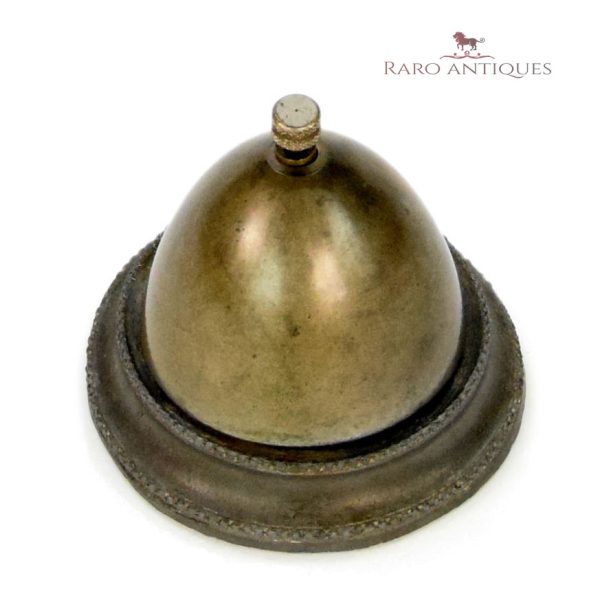
DESK BELL
Desk bell, late 19th century.
A metal desk bell that rings when the button on top is pressed. It was most likely used in establishments such as hotels, shops, or reception desks, where customers could use it to attract attention.
Throughout history, desk bells were primarily used in aristocratic households. During long dinners, they were used to summon a maid to serve another course or refresh drinks. This practice was especially common in America, whereas in Europe it was more customary for servants to remain near the dining table and attend to guests' needs directly. Desk bells became widely used across Europe during the 19th century, when hotels, restaurants, shops, and other public establishments created a growing demand for them.
Today, this bell can once again become a practical and decorative piece for your home, shop, or business.
Dimensions: 8 x 9 x 9 cm
Weight: 0,3 kg
The bell is in excellent condition and remains fully functional.


SCHOOL BELL, CCA. 1900
School bell, made around 1900.
This brass bell with a wooden handle was most likely used in a school to announce the beginning and end of lessons. However, bells of this type had several possible uses — they were also used in hotels to summon staff and in bourgeois households to call servants.
An interesting and nostalgic piece that can still serve its original purpose today.
Dimensions: 20 × 8,5 × 8,5 cm
Weight: 0,3 kg
The bell is in good condition.


INKWELL WITH ROE DEER ANTLER, CCA. 1900
Inkwell with roe deer antler, circa 1900.
An exceptional inkwell distinguished by its natural roe deer antler, which serves both as decoration and as a practical rest for a writing quill. The antler is adorned with beautiful brass details depicting oak leaves, acorns, and small branches. The inkwell container itself is made of crystal, adding further elegance to the piece.
This inkwell is a wonderful decorative accent for any writing desk and an excellent collector’s item — perfect for lovers of calligraphy as well as collectors of hunting-related antiques.
Dimensions: 22 × 13,5 × 11 cm
Weight: 0,6 kg
The inkwell is in excellent condition.


SCOLD’S BRIDLE
The scold's bridle.
The scold's bridle or brank, originating from Scotland in the 16th century, was a horrific device designed to cause shame, discomfort, and pain to its wearer. Its usage spread from Scotland to England, Germany, and other European countries. Its purpose was to shame, silence, and physically discomfort individuals who were deemed unruly or outspoken, particularly women who challenged authority or societal norms. Often, these bridles were crafted to resemble masks with distorted facial features, such as large ears, noses, or horns. Some even had bells attached to them, further humiliating the wearer and drawing attention to their presence. The bridle, worn for a minimum of several hours, prevented its wearer from eating, drinking, and most importantly, speaking. It consisted of a metal part inserted into the mouth, similar to a bit in a horse's harness, which held the tongue in place. In more severe cases, these metal mouthpieces had spikes, causing additional pain. The bridle was predominantly used as a punishment for women who were considered too vocal or contentious in public, especially widows or older women who were not under male control. It was also known as a "witch's bridle," indicating its use during witch trials to prevent accused witches from casting spells on their captors or communities. Additionally, disobedient wives could be subjected to this punishment at their husbands' request. While men could also face this punishment if perceived as a threat to the common good, it was primarily reserved for women deemed gossips, adulterers, prostitutes, or witches, as well as those who defied societal norms. The bridle served as a stark reminder of the oppression women faced and the consequences of expressing dissent in conservative societies. Remarkably, this punishment was not abolished in England until 1967, reflecting the enduring legacy of patriarchal control and the gradual progress towards women's rights. The scold's bridle serves as a poignant relic of the past, prompting reflection on the darker aspects of human history. Dimensions: 26 x 25.5 x 21 cm Weight: 3.2 kg The scold's bridle is in excellent condition, complete with a lock and accompanying key.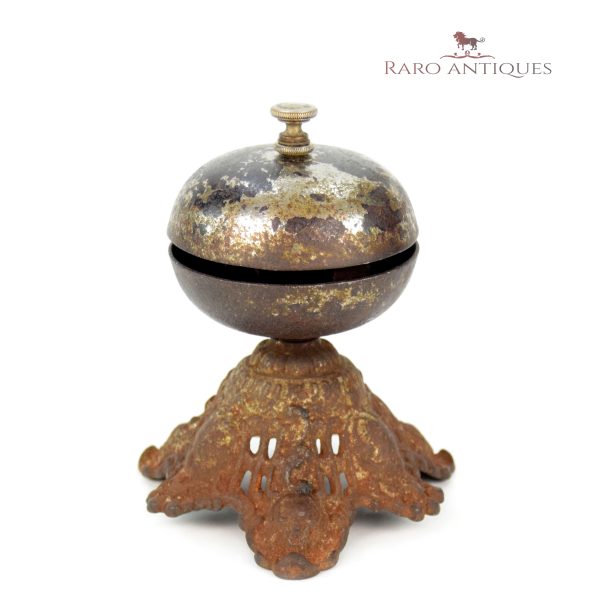
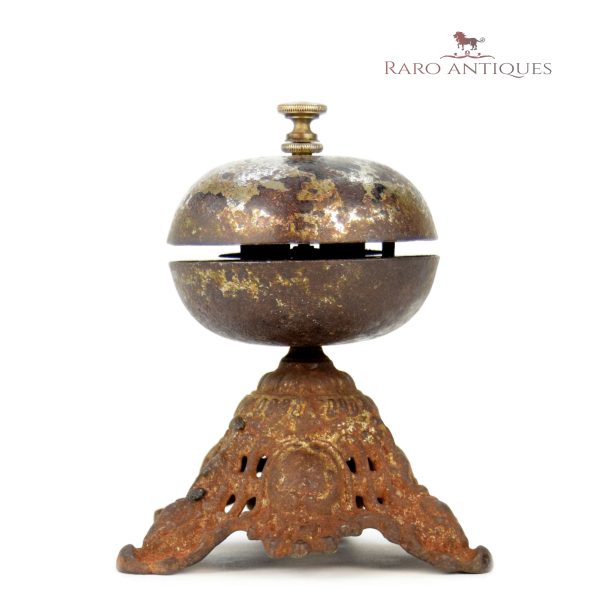
ANTIQUE TABLE BELL
Table bell, from the late 19th century.
An interesting table bell that rings when the top button is turned. It was most likely used in establishments such as hotels or shops to attract attention from customers. Table bells were historically used, particularly in aristocratic homes, where they were used during long meals to call for a servant to bring new dishes or drinks. This custom was especially common in America, while in Europe, the tradition was for servants to stand by the table and attend to any request. Table bells became widely used in Europe only in the 19th century, as they were needed in establishments like hotels, restaurants, and shops. Dimensions: 13 x 8 x 8 cm Weight: 350g The bell is somewhat worn but still functional.
